To cite this article: King, G., & Gollan, S. (2025). Lost without translation: Children of a Lesser God and sign language filmmaking under non-signing control. Transnational Screens, 1–13. https://www.tandfonline.com/doi/full/10.1080/25785273.2025.2573956.
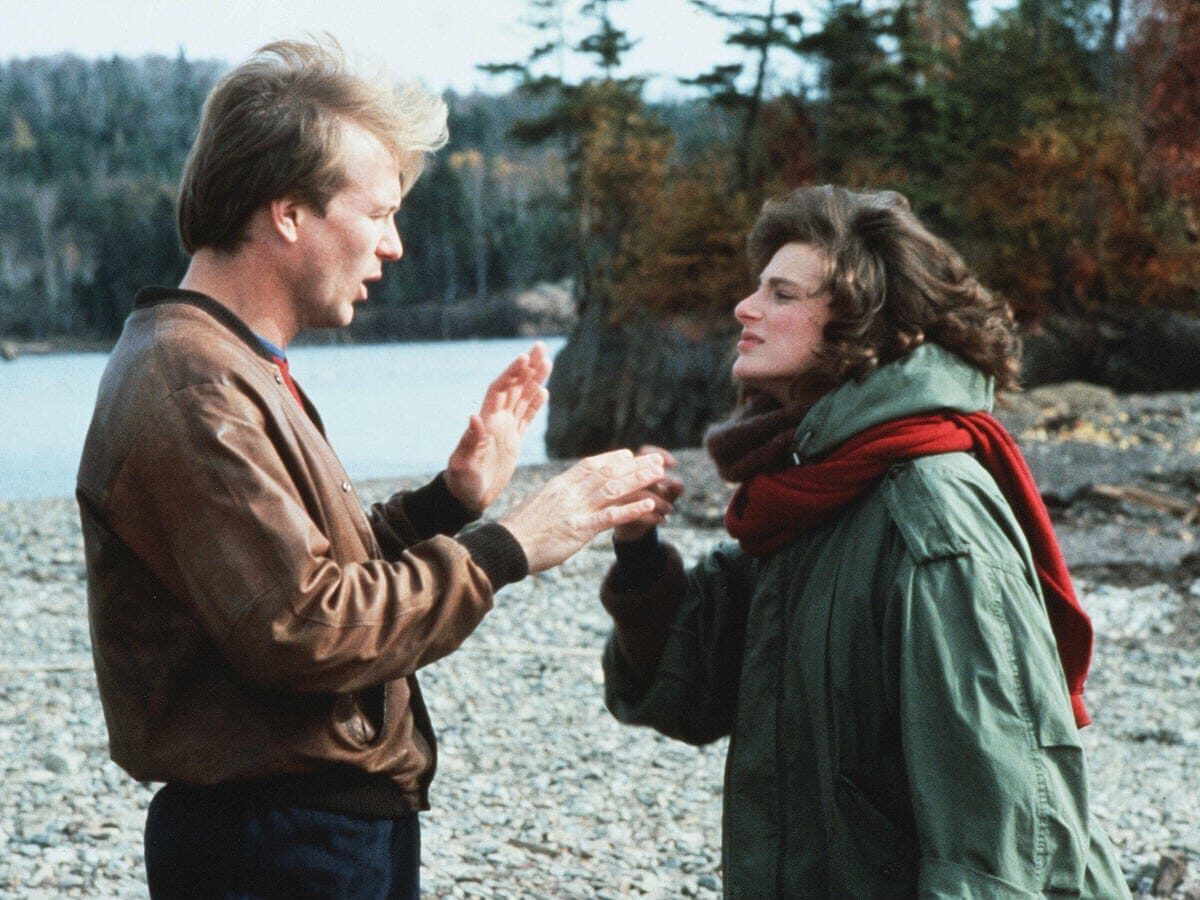
Screen portrayals of deafness and sign language date back to the silent era. Yet with few exceptions, widespread ableism in film industries has led to the exclusion of Deaf creators from leadership roles and barred them from exerting authorial control. This has created a chronic language barrier whereby the vast majority of sign language screen content is written, framed and edited by non-signers, giving rise to tropes and techniques that perpetuate myths about deaf experience and obscure the semantic meaning of sign language dialogue. In these cases, sign becomes ‘foreign’ – incomprehensible, inaccessible, not of the creators’ world – despite the fact that sign languages are natural languages which originate from within every country and are therefore not ‘foreign’ at all. This article traces the connections between deaf history and cinema and critiques the norms of sign language representation by directors, writers, producers and cinematographers who do not understand the sign language they are representing. Through a study of the first major film to include a signing Deaf star, Children of a Lesser God (Randa Haines 1986), it reveals the limitations of authentic casting when a screen text is crafted by individuals for whom sign is a ‘foreign’ language.